Loading...
Serving Huntington, WV and surrounding areas. (304) 802-8567
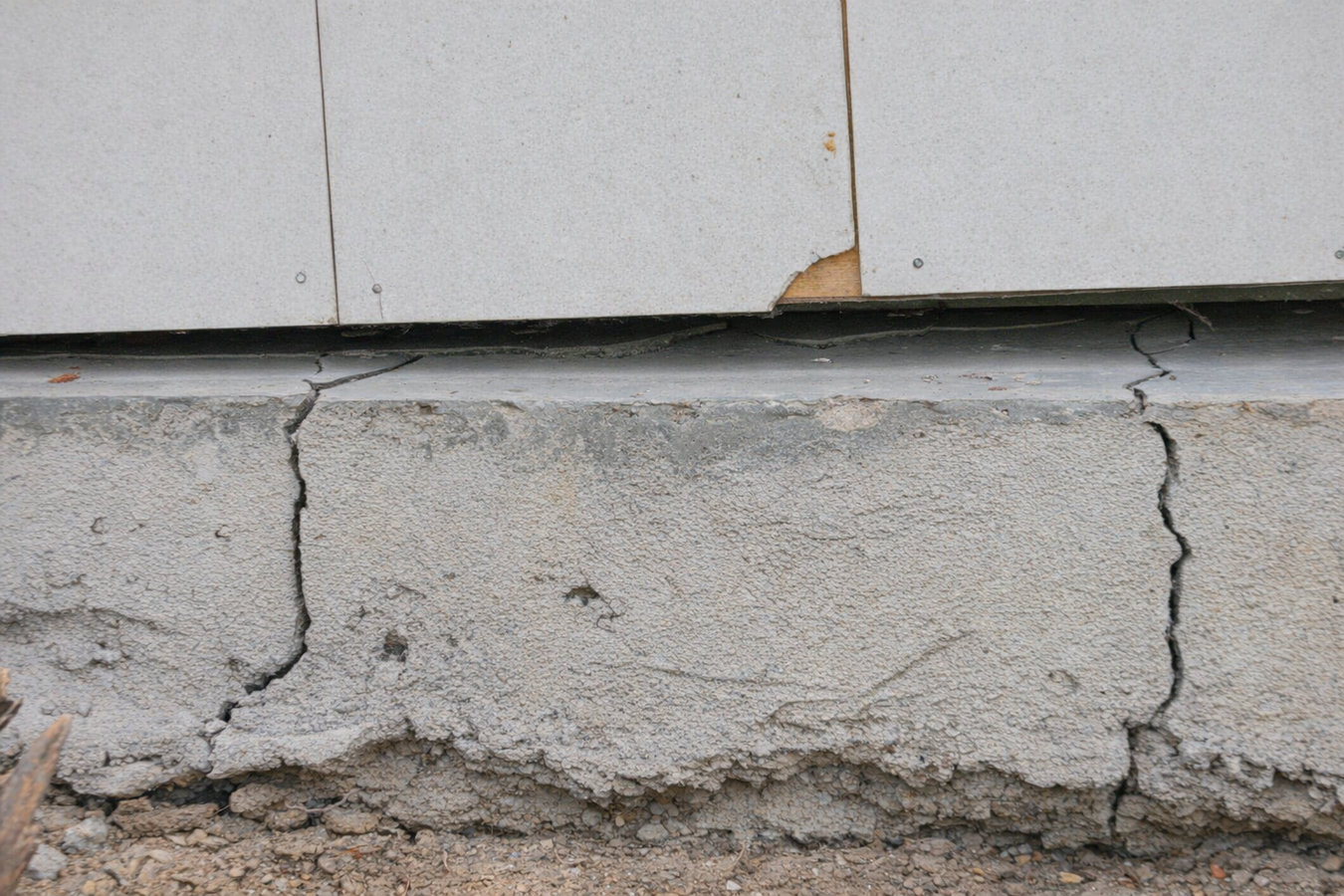
A sunken slab in Huntington does not always mean full replacement. We lift it back to level, patch the drill holes, and leave you with a stable surface the same day.
Foundation raising in Huntington, WV lifts a sunken or uneven concrete slab back to its original position by pumping material into the void underneath it - most residential jobs are completed in a single day, with the surface ready to use within a few hours to 48 hours depending on the method used.
If your porch, garage floor, or patio has dropped and is now out of level, the concrete itself may be perfectly sound. Huntington's clay-heavy soil shifts with every wet-dry cycle, and voids can form under a slab without the slab cracking at all. When the concrete is intact but sitting lower than it should be, raising it costs a fraction of replacement and causes far less disruption. If the slab has shifted to the point where it is also pulling apart or heaving, our slab foundation building service covers full removal and replacement. Either way, we will tell you honestly which path makes sense for your situation.
Getting a written estimate from a licensed West Virginia contractor is the right first step. The assessment visit usually takes 30 to 60 minutes, and most homeowners leave that conversation with a clear answer about whether raising or replacing is the smarter call.
When a foundation shifts, door and window frames shift with it. If a door that used to swing freely now drags on the floor, or a window that opened easily now sticks, that is often one of the first signs that something has moved underneath the house. This is especially common in Huntington's older homes, where decades of clay soil movement have had time to accumulate.
Diagonal cracks in drywall or plaster - especially ones that radiate from the corners of door or window openings - are a classic sign that the structure above is responding to foundation movement below. If the cracks are wider than a pencil line or have grown over time, it is worth having someone look at the foundation.
Stand at one end of your porch or garage floor and look across the surface. If it slopes noticeably toward one side or one corner has dropped, the soil underneath has likely shifted. In Huntington, this is particularly common after wet winters and springs, when clay soil has gone through repeated freeze-thaw and wet-dry cycles.
If water sits against your foundation wall or collects in a low spot near the house after a storm, that water is actively eroding the soil support under your slab. Given Huntington's high annual rainfall and the Ohio River valley's tendency toward saturated ground, this warning sign should not be ignored. Left unaddressed, it will make any existing foundation problem worse.
We handle the full scope of residential slab lifting: site assessment, method selection, drilling, material injection, and hole patching. For jobs that call for it, we also evaluate drainage patterns around the slab and explain what follow-up grading or diversion work would help the repair last. Before recommending a lifting method, we assess whether the slab is still structurally sound - because the right repair starts with an honest read of the concrete itself. If raising is not the right answer, we will tell you that clearly instead of doing work that will not hold. For situations where the slab is too far gone and needs to come out entirely, our slab foundation building team handles full removal and new pours. And for work that requires a new structural foundation rather than lifting an existing one, our concrete cutting service covers precise removal of damaged sections as part of a larger repair or replacement project.
Every job includes a written estimate specifying the method, area covered, expected cure time, and what is included in cleanup. We do not leave a job site with open holes or a mess - the finished surface should look like work was done, not like a crew was there.
Best suited for larger residential slabs where cost per square foot matters and a 24-48 hour cure window is acceptable.
Right for homeowners who need a faster cure - typically walkable within an hour - and for slabs in wet soil conditions near the Ohio River.
Used when the slab has not dropped significantly but has voids beneath it that create soft spots or increase the risk of future settling.
Recommended for properties on Huntington's hillside lots or in low-lying areas where water drains toward the foundation after every heavy rain.
Huntington sits in the Ohio River valley on clay-heavy Appalachian soil that absorbs water and expands when wet, then shrinks and pulls away when it dries. That cycle repeats every year, and every cycle creates a small amount of movement under slabs throughout the city. Add in roughly 42 inches of annual rainfall - some of it concentrated in heavy spring storms - and the lower-lying neighborhoods near the river experience saturated ground conditions that erode soil support from under slabs over time. Many homes in Westmoreland, Highlawn, and Guyandotte were built between the 1920s and 1960s on soil that was not compacted to the standards used today, which means those foundations have had decades to accumulate settling. None of this is unusual here - it is simply what happens to slabs in this climate and soil type over a long enough timeline. We work regularly in Beckley and Barboursville and see the same soil-driven settling patterns across the entire region.
Hilly terrain adds a second layer of complexity. Many Huntington lots slope toward the house rather than away from it, which directs runoff straight to the foundation base after every rainstorm. When water consistently pools near or under a slab, it washes away the fine particles that give the soil its load-bearing capacity. The FEMA flood maps for Cabell County show significant portions of the city in flood-risk zones, and a contractor who knows this city knows to ask about water history before recommending a repair method. West Virginia also requires contractors performing structural work to hold a valid license through the West Virginia Division of Labor - ask any contractor you are considering for their license number before signing anything.
When you call, we ask a few basic questions about where the problem is and how long you have noticed it. We schedule a visit usually within a few days - you do not need to prepare anything, and we reply within 1 business day.
We walk the affected area, check for cracks and drainage patterns, and use a level to measure exactly how far the slab has dropped. The visit takes 30 to 60 minutes, and we explain what we found before quoting you a price in writing.
The crew drills small holes through the slab, pumps material underneath until the concrete rises to the correct level, then patches the holes with concrete filler. Most residential jobs finish in a single day, and we show you the finished result before leaving.
Foam injection is typically walkable within an hour. Mudjacking requires 24 to 48 hours off the surface. We tell you what to watch for in the coming weeks and explain what warranty, if any, covers the work.
Free written estimate. No pressure. We will tell you honestly whether raising or replacing makes more sense for your slab.
(304) 802-8567We tell you upfront whether raising your slab makes sense or whether replacement is the better path. A repair that does not hold is a waste of your money and ours - so we start every job with a straight read of the concrete condition before recommending anything.
The soil conditions in the Ohio River valley and the housing stock in neighborhoods like Westmoreland and Guyandotte are not generic - they require local knowledge. We account for clay soil behavior and the construction era of your home in every assessment we do.
Every estimate we provide spells out which lifting method will be used, what area is covered, what the cure window is, and what cleanup is included. You know exactly what you are agreeing to before anyone drills a hole.
West Virginia requires a valid state contractor license for structural work. We hold that license and can provide our number on request. The American Concrete Institute publishes the repair standards we follow - not just our own judgment.
Local knowledge, honest assessments, and written estimates that mean something - those are the three things homeowners in Huntington tell us they want most. We build every foundation raising job around all three. If you have questions before you are ready to schedule a visit, call us and ask - no sales pitch, just a straight answer about what we are seeing in your situation.
Precision diamond-blade cutting to remove damaged sections or open slabs for utility work - often the step that comes before or alongside foundation repair.
Learn MoreFull slab removal and new poured-concrete foundation for situations where the existing slab is too deteriorated to raise.
Learn MoreHuntington's spring rains put real pressure on sunken slabs - a free written estimate now means you can act before the problem gets worse.