Loading...
Serving Huntington, WV and surrounding areas. (304) 802-8567
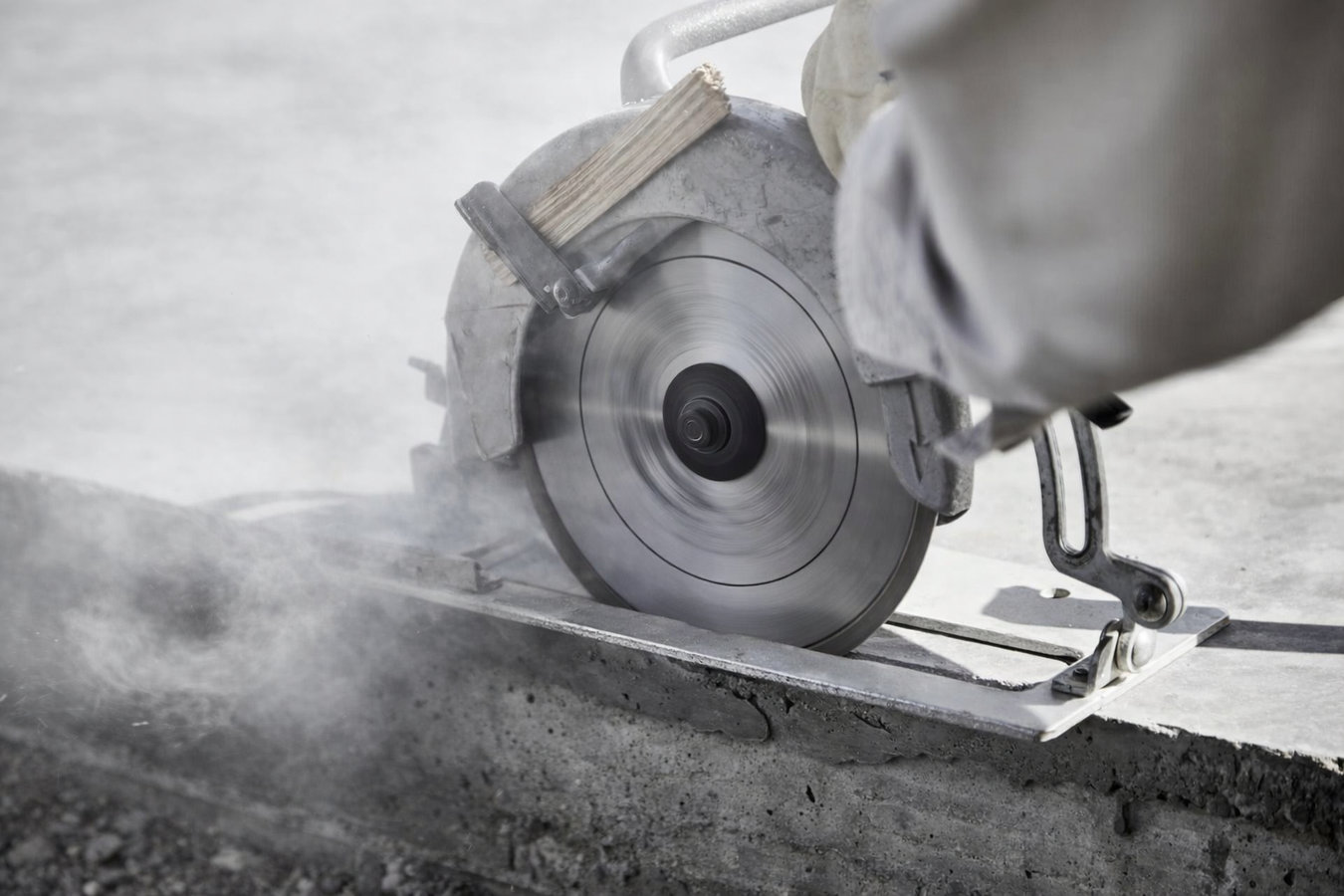
Diamond-blade concrete cutting for driveways, slabs, basement walls, and utility openings in Huntington. We verify utilities, pull permits when required, and leave the site clean.
Concrete cutting in Huntington, WV uses diamond-tipped blades to slice through hardened slabs, basement walls, or paved surfaces cleanly and precisely - most residential jobs are completed in a few hours, with debris removed and the site left safe before the crew leaves.
The difference between professional cutting and demolition is control. A jackhammer sends shockwaves through surrounding concrete and can crack sections you did not intend to touch. Diamond-blade saws cut a straight, smooth line with minimal vibration. That matters on older Huntington slabs, where the concrete can be brittle and unpredictable if handled roughly. Whether you need a damaged driveway section removed, a utility trench opened through a basement floor, or a window opening cut through a foundation wall, the method is the same: mark the line, verify what is underground, and cut cleanly. For situations where a slab needs to be lifted rather than cut, our foundation raising service handles that corrective work separately.
Before any blade touches your concrete, we confirm that no gas lines, water lines, or electrical conduit run through the area being cut. In West Virginia, contractors are required to call the 811 dig-safe service before cutting near underground utilities - skipping this step is not something a responsible crew does.
If you noticed a crack in your driveway or basement floor last fall and it looks noticeably wider or longer now that spring has arrived, the freeze-thaw cycle has been working on it. In Huntington's climate, water gets into small cracks, freezes, expands, and forces them open a little more each winter. Once a crack reaches about a quarter inch wide, patching alone usually will not hold - the damaged section typically needs to be cut out and replaced.
If part of your driveway, patio, or sidewalk is now higher or lower than the section next to it, the ground underneath has shifted. This is especially common in Huntington's lower-lying neighborhoods near the river, where soil moisture levels change with the seasons. A raised or sunken section is a trip hazard and usually cannot be fixed without cutting out the affected panel.
If you are planning to run a new gas line, water line, or electrical conduit through a concrete wall or floor, concrete cutting is how that opening gets made safely and cleanly. This also applies to adding a basement egress window, a new drain, or a doorway through a poured wall. These projects require a permit in most cases - a good contractor handles that conversation upfront.
Surface flaking - where the top layer of concrete peels away in thin chips - is called spalling, and it is very common on older Huntington driveways and sidewalks that have been exposed to decades of freeze-thaw cycles. Once spalling reaches the point where the surface is rough, uneven, and continues to deteriorate, resurfacing alone will not solve it. The affected section usually needs to be cut out and poured fresh.
We handle the full scope of residential concrete cutting: utility verification through the 811 dig-safe service, permit coordination with the City of Huntington when required, cut line marking, flat slab sawing, wall sawing, and core drilling. We use wet cutting on most jobs to control the fine silica dust that concrete produces - particularly important for indoor work in basements and garages. The slurry gets contained and cleaned up before we leave. Every estimate specifies the depth of cut, the total linear footage, what debris removal is included, and whether a permit is needed for your specific project. Once cutting is done and any sections are removed, if the opening needs a fresh pour, our concrete driveway building and concrete parking lot building services cover replacement pours as a continuation of the same project.
For older Huntington homes built before 1970, we assess the condition of the surrounding slab before cutting - because brittle or heavily deteriorated concrete behaves differently than newer material, and knowing that going in changes how we approach the cut. We would rather spend ten extra minutes evaluating your slab than surprise you mid-job with an unexpected break.
Best for removing damaged driveway, patio, or walkway sections and opening utility trenches in horizontal concrete surfaces.
Suited for cutting new window openings, door openings, or utility penetrations through vertical concrete or masonry foundation walls.
Right for creating circular penetrations through slabs or walls for pipes, conduit, or drainage - common in basement and garage utility work.
Used to add or restore control joints in existing concrete slabs, helping prevent random cracking caused by seasonal temperature movement.
Huntington sits in a climate zone where temperatures drop below freezing in winter and climb into the upper 80s in summer. That range puts concrete through repeated freeze-thaw stress every year - water enters small cracks, freezes and expands, then thaws and contracts, forcing the crack a little wider each cycle. Much of the city's residential housing was built between the 1920s and 1960s, which means a large share of the concrete in Huntington driveways, walkways, and garage floors has been absorbing that stress for 60, 70, or 80 years. Spring is typically the busiest season for concrete cutting because that is when homeowners can finally see what winter left behind. We work throughout the area, including regularly in Ashland, KY and Ironton, OH, where the same freeze-thaw conditions produce the same patterns of damage.
Older concrete also tends to be thinner and sometimes mixed to lower standards than newer material - which means it can behave unpredictably during cutting if the contractor is not experienced with aged slabs. Properties in the lower-lying parts of the city, near the Ohio River, sit on soil that holds more moisture and shifts more readily, so any concrete near the ground may have already settled or tilted before cutting begins. The OSHA silica dust standard requires contractors to control the fine particles produced during cutting, and we use wet cutting and containment on every indoor job. Before any cut near underground infrastructure, we contact the West Virginia 811 one-call service to have utilities marked - this is required by law and it protects your property from accidental damage.
We ask what you are trying to accomplish, roughly where the concrete is, and whether you know how thick the slab is. Most homeowners do not know the thickness, and that is fine - we measure during the site visit. We reply within 1 business day and can often give a ballpark range over the phone.
We visit to assess the slab thickness, condition, and access. We check for visible signs of reinforcing steel and note any tight spaces that affect equipment setup. The visit is usually free and takes 20 to 30 minutes - after which you receive a written estimate specifying cut depth, length, and cleanup.
We contact the 811 service to have underground utilities marked before any cutting begins. If your project requires a permit from the City of Huntington, we handle that and build the timeline into the schedule. Permit timelines for straightforward residential work are typically a few business days.
The crew marks the cut lines, sets up water or vacuum dust control, and cuts. Most residential cuts move quickly - a 10-foot cut through a standard driveway slab takes about 20 to 30 minutes. We remove the cut sections, manage the slurry, and leave the site clean and safe before we leave.
Free written estimate. We specify depth of cut, cleanup, and permit requirements before any work starts - no surprise costs at the end.
(304) 802-8567In older Huntington neighborhoods where utility lines were not always documented carefully, confirming what is underground is not optional. We contact the 811 service on every job and will not cut until the area is marked. That step protects your family and keeps your project from becoming an emergency.
Concrete from the 1920s through 1960s - which covers a large share of Huntington's housing stock - behaves differently than newer material. We assess the condition of every slab before cutting and adjust our approach when we see signs of brittleness or deterioration, so you are not surprised by an unexpected break mid-job.
Every estimate we provide specifies the depth of cut, total length, debris removal, and what cleanup is included. A quote that does not address debris disposal can end up costing you significantly more - concrete is heavy and hauling is not free. You will know exactly what you are paying before work begins.
Concrete cutting produces fine silica dust that is a real health concern when it is not controlled. We use wet cutting and containment on all indoor work - basements, garages, and crawl spaces - and clean up the slurry before we leave. The American Concrete Institute sets the standards we follow for cut quality and workmanship.
These are not abstract promises - they are the things that determine whether a concrete cutting job goes cleanly or turns into a bigger project than you planned. If you are ready to move forward, call us for a free site visit. If you are still figuring out what you need, call anyway - we are happy to point you in the right direction.
New driveway pours to replace sections removed during cutting - built for Huntington's freeze-thaw climate with proper base preparation and joint placement.
Learn MoreCommercial and residential parking surfaces that often require precision cutting for utility access, drainage channels, or damaged section removal before a fresh pour.
Learn MoreCall for a free on-site estimate and get a written quote that covers every detail - depth, cleanup, and what happens next.