Loading...
Serving Huntington, WV and surrounding areas. (304) 802-8567
Decks, porches, and additions need footings built for Huntington's frost line, clay soil, and hillside lots. We handle the permits, the inspection, and the depth - so your structure stays put through every season.
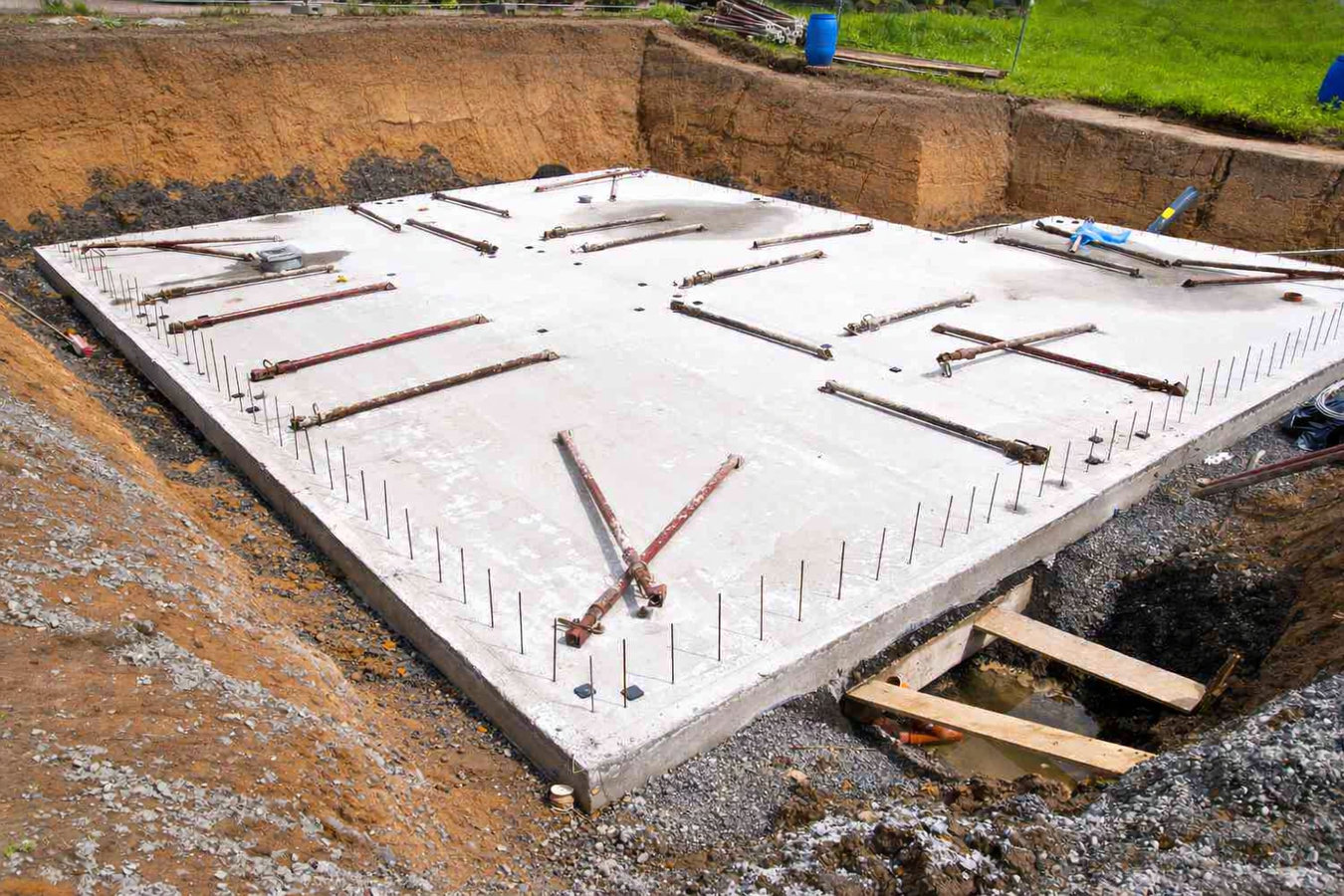
Concrete footings in Huntington involve digging to the local frost line depth of 12 to 18 inches, setting forms, scheduling the pre-pour city inspection, and placing concrete - most residential footing jobs take one to two days of active work, with the concrete reaching full strength around 28 days after the pour.
A footing is the hidden base that holds up everything above it - your deck, porch, addition, or structure. If it is not deep enough, Huntington winters will push it upward. If it is not wide enough for the local clay soil, seasonal movement will shift it over time. Both problems show up later as cracks, sticking doors, and gaps you cannot explain. For the larger structural work a footing supports, our foundation installation service covers full wall foundations and basement construction. If your footing work is part of a project that also needs surface-level concrete repair or adjustment, our foundation raising team handles structural lifting and leveling work as a separate service.
We pull the required City of Huntington building permit and coordinate the pre-pour inspection as part of every footing job. That inspection is not a formality - it is a third-party check that the depth and dimensions meet code before anything gets buried.
New cracks - especially diagonal ones from the corners of windows or doors - often signal that something underground is shifting. In Huntington's clay-heavy soil, seasonal wet and dry cycles cause footings to move, and the cracks above are the first visible result. A crack that is getting wider over time is more urgent than one that has been stable for years.
When a footing shifts, the frame of your house moves with it, and doors and windows are often the first place you notice. If a door that used to swing freely now drags on the floor or will not latch, or a window that opened easily now sticks, it is worth having someone look at what is happening below. This is especially common in older Huntington homes after a wet winter or a particularly dry summer.
Any structure attached to your home or built on your property needs proper footings to stay stable over time. In Huntington, where the ground freezes and thaws each winter, a deck or porch built without footings dug to the right depth will heave and shift within a few seasons. Getting footings right from the start costs far less than fixing a tilted structure two years later.
A growing gap between your porch and the main structure of your home means the porch footing is moving at a different rate. This is common in Huntington's hillside neighborhoods, where porches were sometimes added without footings deep enough for local soil and frost conditions. Left alone, the gap widens and the porch can eventually become unsafe.
We handle every stage of residential footing work: site assessment, utility marking through the 811 dig-safe process, excavation to the required frost-line depth, form setting, pre-pour inspection coordination, concrete placement, and guidance on the curing timeline before any building load is applied. On hillside Huntington lots, we use stepped footing construction - digging at different levels to follow the grade while still reaching the depth the code and local soil conditions require. Every written estimate we provide specifies the depth, width, concrete volume, and permit cost for your specific site.
For properties where the footing work is part of a larger structural project, our foundation installation service covers the full scope of new foundation walls, basement work, and slab systems. For existing structures that have already shifted and need to be raised back to level, our foundation raising service handles that corrective work. Both can be coordinated with new footing installation when a project calls for it.
Best for attached and detached decks or porches where individual concrete piers carry the post loads at each corner and mid-span point.
Suited for addition foundations and load-bearing walls where a continuous concrete base is required below the full perimeter.
Designed for Huntington's hillside properties where excavation follows the grade in steps to reach consistent frost-line depth across uneven terrain.
Right for Huntington homes built before mid-century that were originally supported by brick or rubble piers that have deteriorated over decades.
Huntington sits along the Ohio River in rolling Appalachian terrain, and many residential lots slope significantly - which means footings often cannot be dug and poured at a single uniform level. A large share of the city's homes were built before World War II, and some of those original support structures were brick or rubble piers, not poured concrete. If you are adding onto an older home, a contractor who understands Huntington's housing stock will assess what is already under the structure before pouring anything new. Skipping that step causes new and old sections of a home to settle at different rates, and the cracks that follow are expensive to fix. Huntington also averages around 43 inches of rain per year, and clay-heavy Cabell County soils hold that moisture - which means freeze-thaw pressure on footings runs higher here than in drier areas. We work regularly in Kenova and Barboursville and account for local soil behavior in every footing we install.
Before any excavation begins, we call 811 to have underground utilities marked - this is required by law and protects your property from accidental damage. West Virginia's building code requires a permit and pre-pour inspection for most structural footing work, and we handle both. The inspection happens before the concrete goes in the ground, which is exactly when it should - not after the fact. The American Concrete Institute publishes the structural concrete standards we follow for mix design and curing, and the West Virginia Division of Labor sets the licensing requirements we meet for this type of structural work.
We come to your property before giving you any numbers - a phone estimate for footing work is rarely accurate because so much depends on your specific site. We check the slope, access, and what the project involves. Expect a 30-to-60-minute visit. We reply within one business day of your initial contact.
We handle the building permit through the city before work begins, and we call 811 to have underground utilities marked before any digging starts. Both steps are required - and both protect you if anything unexpected turns up during excavation.
The crew digs to the required frost-line depth, sets the forms, and schedules the city inspector before any concrete is poured. The inspector confirms depth and dimensions meet code. Once the inspection passes, the concrete goes in - the active pour often takes less than an hour for a small project.
Fresh concrete needs at least seven days before it can support significant load, and a full 28 days to reach maximum strength. We give you clear guidance on when it is safe to start building on top. During hot Huntington summers, the footing may need to be covered for the first few days to prevent it from drying too fast.
Every Huntington lot is different, so we come to you before we give you a number - no guessing, no surprises when the bill arrives.
(304) 802-8567Footings that are not deep enough get pushed up by freezing ground every winter. We confirm the required depth for your project location and soil conditions before digging starts - and the city inspection before the pour verifies we hit it. Shallow footings are the most common reason new decks and porches fail within a few seasons in this climate.
Many Huntington properties sit on slopes where a single-level footing cannot work. Our crew has experience with stepped footing construction - digging at different depths to follow the grade while keeping every footing below the frost line. That local terrain experience changes what the job costs and how it is designed.
A large share of Huntington homes were built before 1950, and some have original brick or rubble piers rather than poured concrete footings. We assess what is already supporting your home before pouring anything new so the existing and new sections settle at the same rate - not at different ones.
We pull the required building permit and schedule the pre-pour city inspection as part of every footing job. West Virginia's contractor licensing requirements apply to this type of structural work, and we meet them. You do not have to figure out the Building Department process - we handle it so the project moves on schedule.
When footing work is done right the first time, the structure above it stays level, the permits are on record, and you are not watching cracks form in your walls two winters later. That is what we aim for on every job in Huntington.
Structural lifting and leveling for existing foundations and structures that have settled or shifted over time.
Learn MoreFull poured concrete wall and slab foundation work for new homes, additions, and major structural projects in Huntington.
Learn MoreHuntington winters come fast - lock in your project date now and we will handle the permits and inspection so there are no delays once the crew arrives.